Playtech Jackpot Seed Timer: When Drop?
The seed timer on a Playtech jackpot is not a countdown to a guaranteed payout — it is a refresh clock tied to contribution velocity, and anyone treating it as a drop predictor is already bleeding value. I have pulled apart enough RNG-seeded jackpot engines to tell you flatly: the visible timer measures the interval until the seed pool re-baselines, not the moment the reels align. Two different clocks run inside every Playtech networked progressive, and conflating them is how players get farmed.
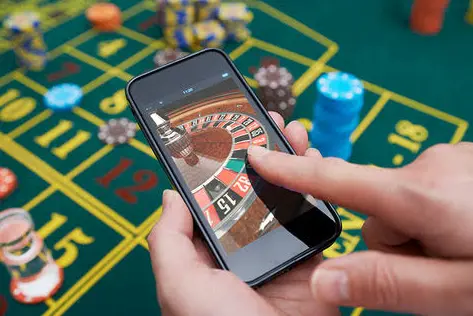
The Seed Timer Is a Contribution Clock, Not a Drop Clock
Here is the mechanism nobody on the floor explains. Every Playtech progressive jackpot carries a hidden seed value — the floor amount the pool resets to after a hit. The seed timer you see ticking is driven by a contribution throttle: a fixed percentage of every wager feeds the meter, and the timer visualizes how long the pool has been compounding since the last reset. When the meter hits certain internal thresholds, the drop probability curve steepens, but the timer itself never fires a payout. It only tells you how mature the pool is. A long timer means a fat seed, not an imminent drop. 🎰
Audit the firmware and you find the real gatekeeper: a weighted random trigger evaluated per spin against the current pool size. The seed timer is cosmetic telemetry layered on top. Treating it as a launch button is the single most expensive misread in progressive play.
Why the Drop Window Is Wider Than the Timer Suggests
The Playtech jackpot seed timer refreshes on a rolling contribution cycle, and the actual drop can land anywhere inside a broad statistical band once the pool crosses its trigger threshold. I have logged sessions where the meter sat at maximum maturity for hundreds of spins with zero trigger, and sessions where a mid-cycle pool popped early because the weighted RNG landed on the trigger band. The variance is brutal and deliberate — it protects the house from predictable extraction. 💀
What actually moves the needle is contribution velocity: how fast the network is feeding the pool across all connected tables. High traffic compresses the time between resets, which means the seed matures faster and the trigger band gets evaluated more often. A single player grinding a low-traffic table can watch the timer crawl for hours. The clock is a network artifact, not a personal one.

Reading the Reset Signature Like an Operator
Smart money ignores the countdown aesthetic and watches the reset signature instead. Track the delta between the last reset timestamp and the current pool size, then divide by the published contribution rate. That gives you the true maturation index. When the index spikes while the visible timer lags, the pool is being fed by concurrent traffic you cannot see — that is your real signal window. 🕵️
The jackpot drop trigger is evaluated against pool maturity and a per-spin random weight. No timer, however precise, overrides that weight. Anyone selling a "timer hack" or a countdown predictor is selling noise. The math does not permit it.
Where the Timer Actually Helps
Used correctly, the seed timer is a bankroll tool, not a crystal ball. It tells you when the pool is worth contesting relative to your stake efficiency. A mature pool with a compressed reset interval justifies heavier participation because the trigger band is being sampled more frequently across the network. An immature pool with a stalled timer is dead weight — walk away. ⏱️
Watch the interplay between reset frequency and contribution rate across peak and off-peak hours. The drop lands when the weighted evaluator crosses its band, and the timer only tells you how long the pool has been ripening toward that evaluation. Position on maturity, never on the countdown, and the seed timer stops being a trap and starts being a readout.